
Hershey, Pennsylvania
Water Line Replacement Swatara Station, Hershey PA
Swatara Station is the old railroad village west of downtown, where small older homes sit on damp ground near the creek. We connect homeowners with experienced local pros who know these lines.
Old railroad village · Near Swatara Creek · Calls answered 24/7
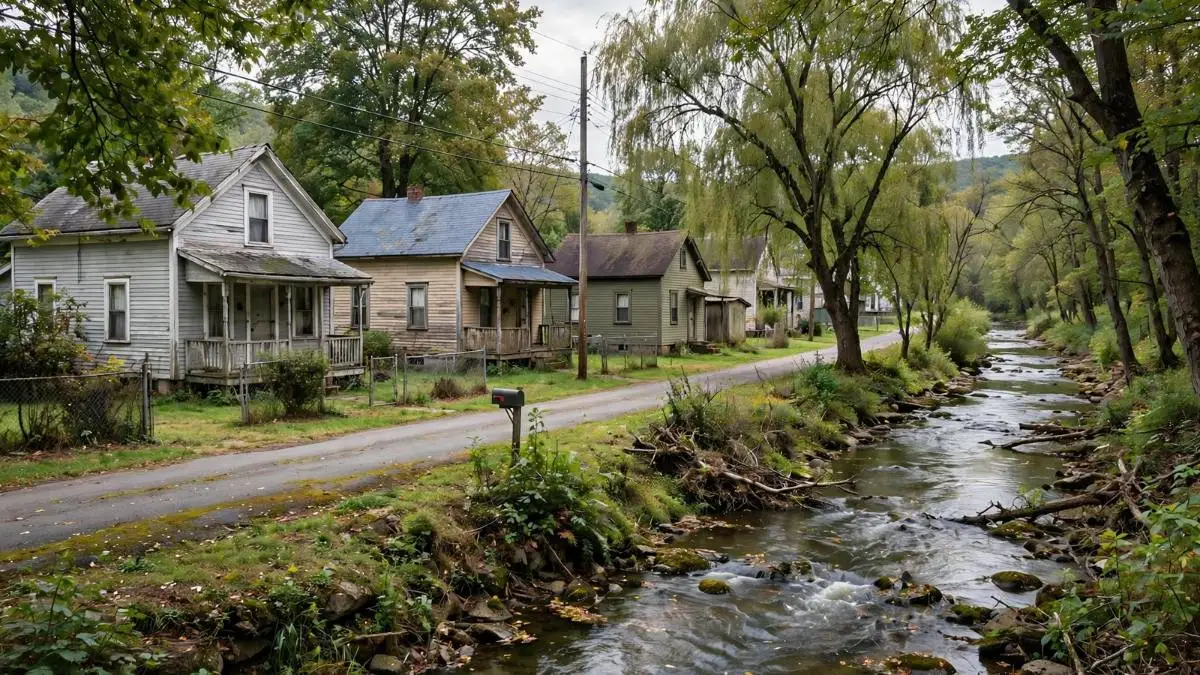
Small homes, old lines, damp ground
Water line replacement in Swatara Station has its own character, because this pocket of Hershey is the old railroad village on the west side: small older homes, many of them older than the subdivisions around them, set on ground that stays damp near Swatara Creek. Their service lines are old too, often original runs in the ground for many decades, and the wet soil works them harder than the same pipe on drier ground. A leak here can hide in a yard that is already wet, so the water bill is often the first thing that tells the story. Swatara Station is part of Hershey, in Derry Township, and a failing village line tends to announce itself quietly, which is all the more reason not to wait.
Village lots and where the lines run
The homes of Swatara Station were built for railroad workers and their families: small footprints, simple layouts, compact lots, many predating the mid-century building waves elsewhere in town. Service lines are short here, usually a straight run from the curb box at the street to the foundation, and the pipe is the metal of its era. A short run is a genuine advantage: less pipe to pull and less ground to open.
The line typically enters through the basement or crawl-space foundation wall, where the pipe is visible and a technician can identify the material on the first visit. Some village homes have had additions that moved the entry, so confirming it is always the first step. The complicating factor is the ground: near the creek the soil holds moisture, which keeps joints under more stress and masks the visual clues of a leak. This community shares the same town as the rest of Hershey, and its lines explain why water line replacement in Swatara Station so often starts with a meter test rather than a walk of the lawn.
Water line repair or replacement on a village line
The failures here follow the age of the pipe. Older metal lines corrode from the inside until pressure fades across the whole house, and joints packed decades ago loosen as wet soil shifts around them. The symptom set is familiar: a bill that climbs with no change in use, pressure that never quite recovers, and water that runs discolored first thing in the morning. Because damp ground hides wet spots, homeowners here often discover the problem through the meter rather than the lawn. Pinpointing the exact failure point is a job for water line leak detection, which finds the spot with instruments instead of test holes.
When the failure is a single clean break on an otherwise sound line, repair can be the right call, and trenchless water line replacement is worth asking about too, since it threads the new line underground with minimal digging on a compact lot. But when the line is corroded along its length, repair is a short-term answer to a long-term condition, and old water service line replacement ends the cycle of repeat problems.
First checks on a Swatara Station home
Damp ground changes the order of operations. The technician starts with what the eyes cannot be trusted to tell them:
- The meter test. Everything off, watch the dial: the most reliable first indicator on creek-side lots.
- Listening. Acoustic equipment picks up the sound of water escaping through soil, narrowing the leak without test holes.
- The entry point. Where the line comes through the foundation, the technician identifies the pipe material and checks for dampness at the penetration.
- A pressure reading. Taken at the entry, it shows whether the line is throttling flow.
- The route walk. From curb box to house, looking for soft ground that stands out from ordinary dampness.
Only when those checks agree does the conversation turn to repair or replacement, with upfront pricing explained first.
How your Swatara Station call goes
Hershey PA Main Water Line is a referral service: we connect you with an experienced local main water line pro, an independent contractor doing the diagnosis and the work. One call brings straight answers and upfront pricing explained before anything begins:
You call
Describe the bill, the pressure, the damp ground.
A local pro is dispatched
An experienced independent local main water line tech runs the full diagnosis.
You get a straight read
What the line is made of, where it is failing, and whether repair or replacement fits.
Pricing up front
Options and pricing are explained before any work begins.
Around Swatara Station: more Hershey water line help
The village sits within Hershey, in Derry Township, and the same aging lines run through the surrounding communities. That includes water line replacement in Downtown Hershey, where the town's oldest service lines run, and water line replacement in Palmdale on the east side. For the full service picture, see our main water line hershey page.
Water Line Replacement Questions From Swatara Station Homeowners
Many are. Swatara Station grew up as a railroad village, so its small older homes often predate the mid-century subdivisions around them, and their service lines do too. Older metal pipe is common here, and original runs are frequently still in place. Age alone does not doom a line, but it raises the odds of the corrosion and joint wear behind leaks and pressure loss. A technician can identify the material where the line enters the house.
Ground near Swatara Creek can stay damp longer after rain, and wet soil moves more with freeze-thaw cycles, which puts extra stress on joints and older connections. Damp ground also makes a small leak harder to spot, since the yard is wet anyway. That is why the meter test matters so much here: it catches a leaking line even when the yard gives nothing away. The technician will also walk the route looking for soft spots that stand out.
Mostly for the better. Small homes usually sit on compact lots, so the run from the curb to the house is short, and a shorter line means less digging and less pipe to replace. What can complicate things is access: narrow side yards and tight driveways can limit where equipment goes, and the technician notes that on the first visit. The diagnosis is the same as anywhere: meter test, entry-point check, and pressure reading before anyone talks about digging.
Watch for a water bill that climbs with no change in use, pressure that fades across the whole house, and any patch of ground that stays soft or wet between the street and the house. On older village homes, discolored water first thing in the morning is another common sign, since rust from an old metal line settles overnight. One sign alone can have other causes, but two or more together point strongly at the service line.
Sometimes. One clean break on an otherwise sound line is a fair candidate for a targeted repair. But village lines this old often fail as a system: the corrosion behind this leak is at work along the whole run, and fixing one spot leaves the rest waiting its turn. The technician weighs the pipe material, the leak location, and the overall condition, then explains both options with upfront pricing explained first.
Wet ground hides the usual visual clues, so the technician leans on instruments instead of eyes. The meter test confirms water is escaping, acoustic listening picks up the sound of a leak through the soil, and pressure testing isolates sections of the line. That combination narrows the failure to a small area without digging test holes. It is the standard leak detection approach, adapted for ground that stays damp near the creek.
Most small older homes here bring the line in through the basement or crawl-space foundation wall, where the pipe is visible and its material can usually be identified on sight. Some village homes have had additions that changed the entry point, so the technician always confirms rather than assumes. Knowing the entry point anchors the whole diagnosis: the meter test, the pressure reading, and the listening all start from what can be seen where the line comes in.
Usually, yes. Homeowners are typically responsible for the private side, from the meter, curb stop, or property line to the house, though the exact boundary varies and your water provider is the one who can confirm it. We always say usually because it is not identical everywhere. Note where the problem sits relative to the curb box: trouble on your side of that box is very likely yours, and the technician can verify the details on site.
Water Line Replacement in Swatara Station: Get a Straight Read
Climbing bill, fading pressure, or ground that never dries: call and we will connect you with an experienced local pro.
Get a straight read on your lineCalls answered 24/7.